Depolymerization of Bioplastics: Unlocking Circularity Beyond Biodegradation
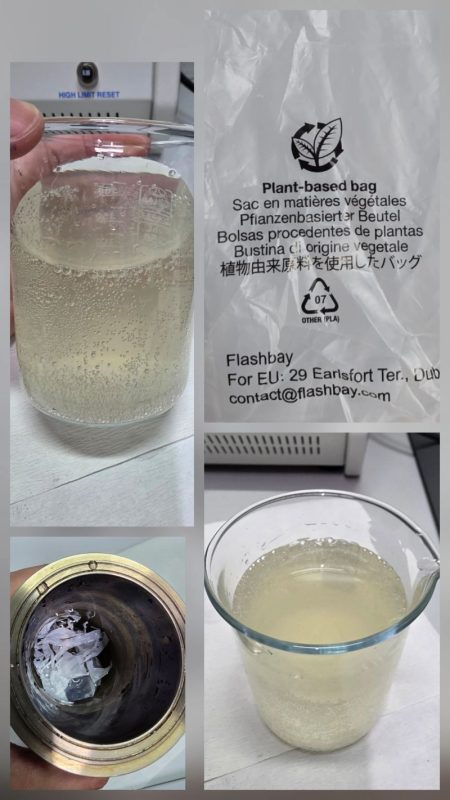
At ICARBON, we are expanding the application of our patented hydrothermal technologies to a new challenge: the depolymerization and recovery of valuable resources from bioplastic waste.
As the global production of bioplastics continues to grow, developing effective end-of-life strategies for these materials is becoming increasingly important. While biodegradability is often promoted as the primary solution for bioplastic waste, it should not be considered the only pathway toward sustainability.
Biodegradation generally does not aim to recover plastic materials, monomers, or valuable chemical building blocks for reintroduction into the production cycle. In contrast, advanced recycling technologies—including chemical recycling and depolymerization—are specifically designed to recover resources, reduce waste, and preserve primary raw materials.
Why Bioplastic Recycling Matters
Bioplastics are expected to coexist with conventional plastics for decades to come. Therefore, identifying the most sustainable end-of-life pathways for each major bioplastic family is critical for achieving a truly circular plastics economy.
Most commercially available biodegradable bioplastics, such as:
Polylactic Acid (PLA)
Polyhydroxyalkanoates (PHAs)
degrade relatively slowly under natural environmental conditions, even in the presence of microorganisms. This limitation significantly reduces the theoretical environmental advantages often associated with biodegradable plastics.
Furthermore, uncontrolled degradation in landfills or natural environments may generate methane emissions, a greenhouse gas with a significantly higher global warming potential than carbon dioxide.
Beyond Composting: Recovering Valuable Resources
Industrial composting facilities can effectively process many biodegradable plastics. However, composting should be considered one of the final options in a material’s life cycle, after opportunities for reuse, recycling, and resource recovery have been exhausted.
Disposal through biodegradation often results in the loss of valuable bio-based molecules and feedstocks.
For example:
📍 PLA contains lactic acid, a valuable renewable chemical building block.
When bioplastics are simply composted or degraded, these resources are permanently lost from the value chain.
Hydrothermal Depolymerization as a Circular Solution
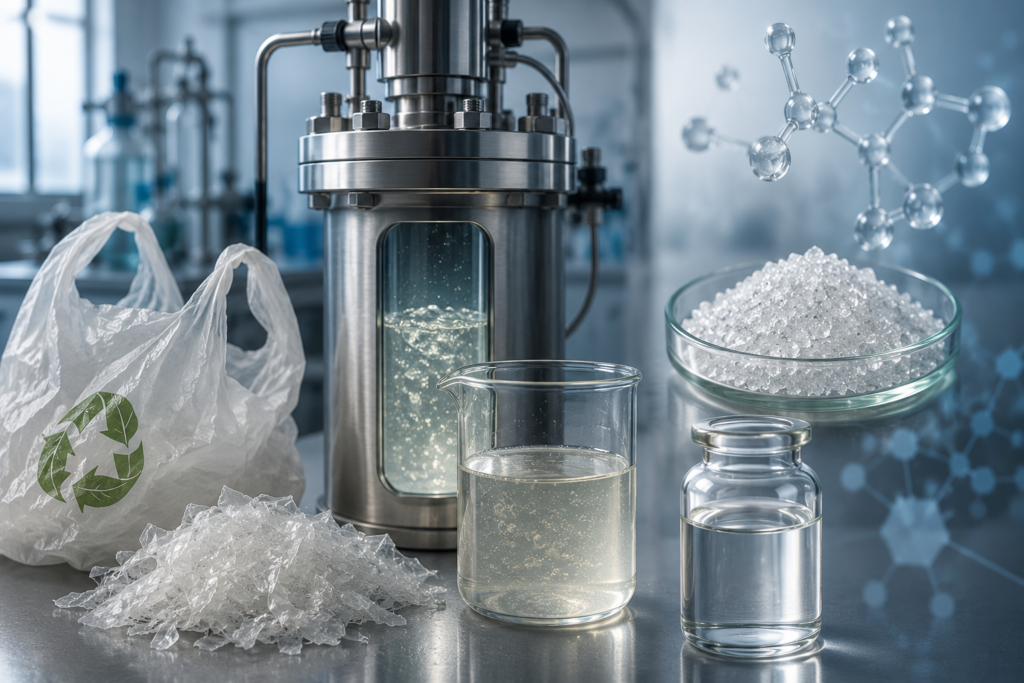
Advanced chemical recycling technologies can transform bioplastic waste into monomers, intermediates, and valuable chemical feedstocks that can be reintroduced into manufacturing processes.
At ICARBON, our hydrothermal depolymerization technologies are being developed to recover these valuable components efficiently while reducing environmental impacts and preserving renewable resources.
By converting end-of-life bioplastics into reusable raw materials, we can move beyond simple biodegradation and create a more circular, resource-efficient plastics industry.
The Future of Bioplastics Requires Circularity
The transition toward sustainable materials does not end with replacing conventional plastics with bio-based alternatives. True sustainability requires closing the loop through effective recycling, resource recovery, and circular material management.
As bioplastic production continues to increase worldwide, advanced depolymerization technologies will play a critical role in ensuring that these materials remain valuable resources rather than becoming the next generation of waste.
At ICARBON, we believe that the future of bioplastics lies not only in biodegradability—but in circularity.