ASTM D8632-25: Recovered Carbon Black (rCB) Becomes a Defined Engineering Material
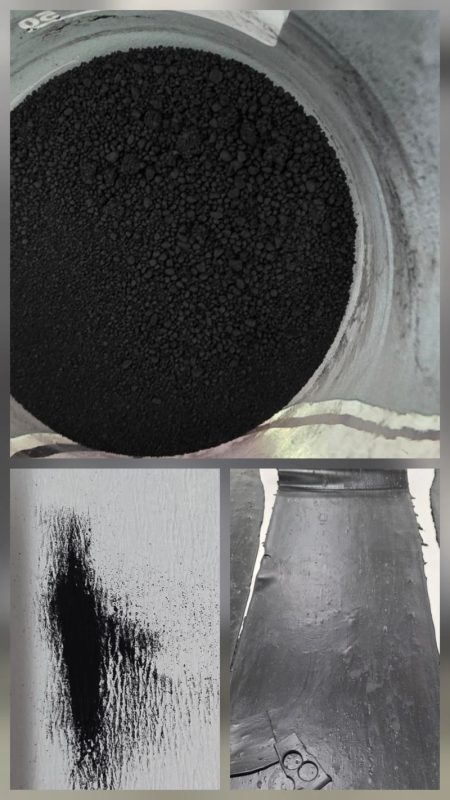
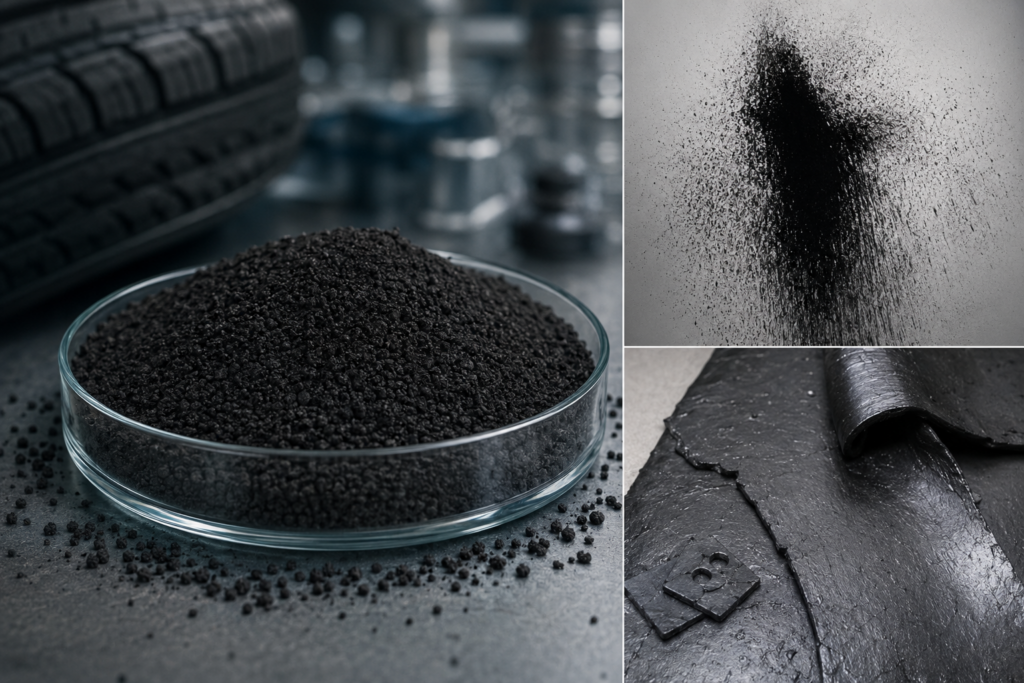
With the publication of the new ASTM D8632-25 standard, recovered carbon black (rCB) is no longer viewed as merely an alternative material. It is evolving into a clearly defined engineering material with internationally recognized quality classifications.
This new standard represents a significant step forward for the rubber industry, bringing greater transparency, consistency, and sustainability to the use of recovered carbon black.
♻️ At ICARBON, we are ready to support the industry with the different rCB grades and advanced recycling solutions we have developed.
Why Is ASTM D8632-25 So Important?
For the first time, recovered carbon black products can be classified using standardized “R-Codes”, based on two critical quality parameters:
📍 Toluene Transmittance
Measures the quality of the pyrolysis process and indicates the amount of residual organic compounds remaining on the material.
📍 Inorganic Content
Represents the ash and mineral content originating from the feedstock, such as end-of-life tires and rubber waste.
The R-Code classification system combines these two parameters into a matrix-based structure, creating a common language for both producers and end users.
Example Classification
An rCB with:
82% Toluene Transmittance
22% Inorganic Content
would be classified as R23, indicating a medium-to-low quality recovered carbon black according to the ASTM classification framework.
We are pleased to share additional technical information regarding the classification methodology with interested industry partners.
Creating a Common Language for Circularity
The introduction of ASTM D8632-25 establishes a more transparent and reliable market structure for recovered carbon black.
For manufacturers, it creates fairer competition based on measurable performance indicators.
For users, it provides greater confidence in sourcing decisions and material quality.
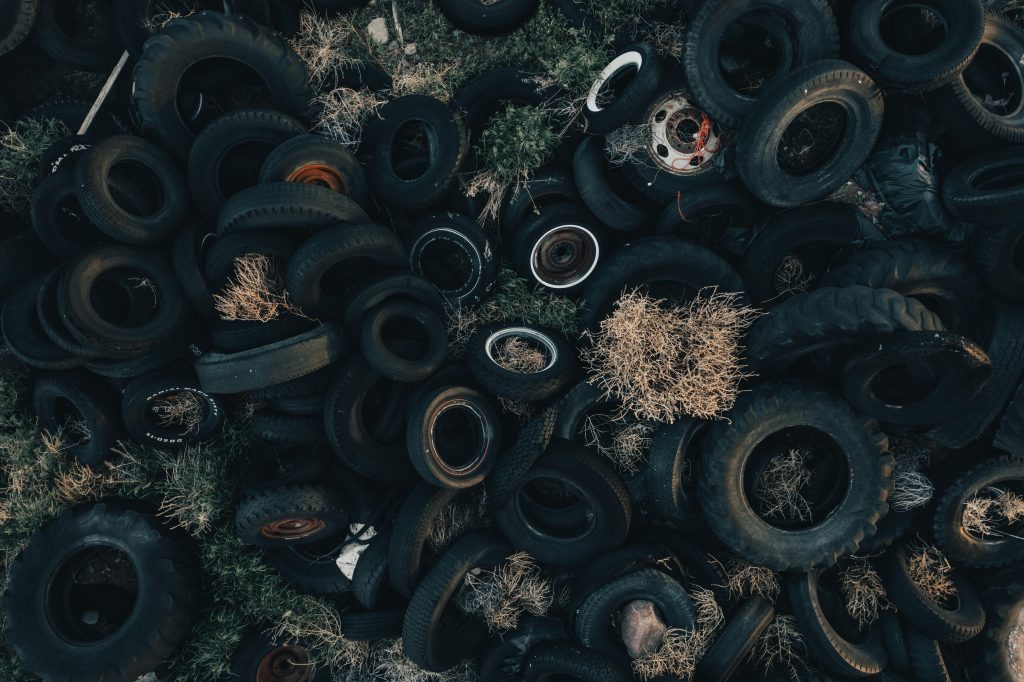
Most importantly, it enables end-of-life tires and rubber waste to be transformed into valuable secondary raw materials using a globally recognized classification system.
Optimizing Rubber Formulations
By clearly defining pyrolysis quality and inorganic content, the new standard helps manufacturers better predict and optimize reinforcement performance within rubber formulations.
This development supports the broader transition toward circular materials and sustainable manufacturing in the rubber industry.
The Future of the rCB Market
The global recovered carbon black market is projected to grow at an annual rate of approximately 36% through 2026, driven by increasing sustainability requirements, circular economy initiatives, and demand for lower-carbon raw materials.
At ICARBON Chemical R&D and Engineering, we continue developing advanced recycling technologies and innovative rCB products to help the rubber industry move closer to full circularity.
♻️ Turning waste tires into valuable resources is no longer a vision for the future—it is becoming an industry standard.