What Do Sheep Wool and Rubber Devulcanization Have in Common?
More than you might think. 😉
The answer is simple: Sulfur bonds — one of our favorite topics at ICARBON. 🚀
When someone tells us a material is difficult to recycle, our first reaction is usually the same: let’s test it.
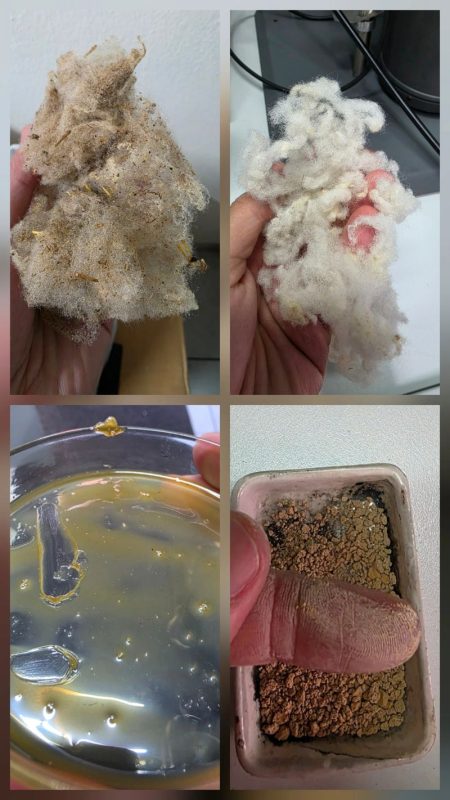
This time, we turned our attention to sheep wool, a natural material rich in keratin proteins and complex sulfur-containing structures. Interestingly, some of the fundamental chemistry behind wool processing shares similarities with the sulfur crosslink chemistry that plays a critical role in rubber devulcanization.
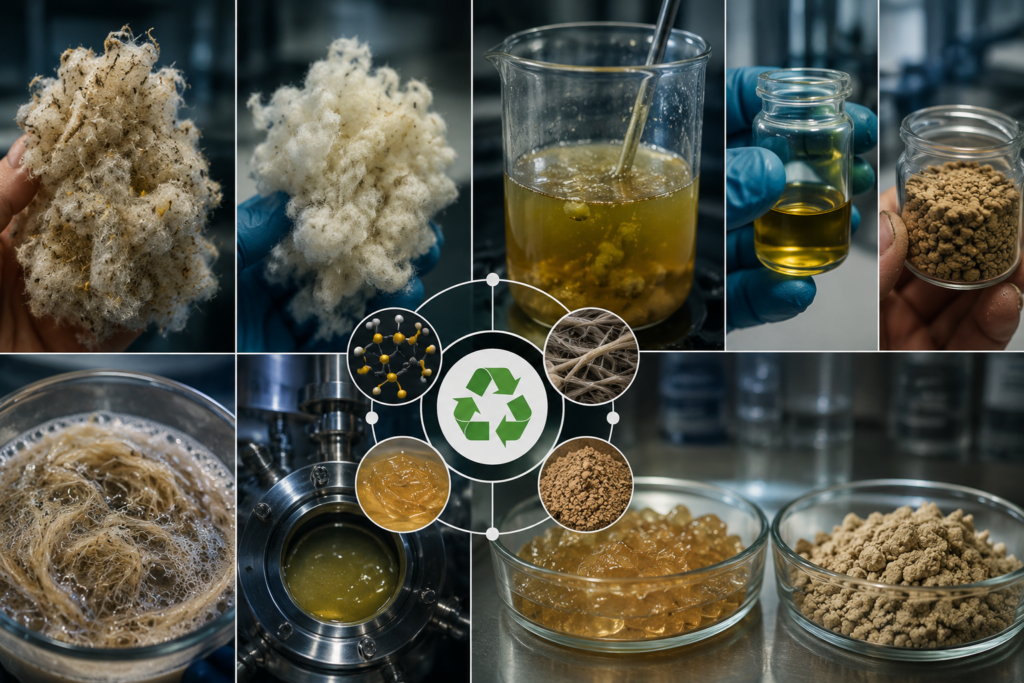
Using our patented hydrothermal processing technologies, we conducted our first experimental studies focusing on the recovery and valorization of two key components:
📍 Lanolin – a valuable natural wax widely used in cosmetics, pharmaceuticals, and specialty chemicals.
📍 Keratin – a high-value structural protein with applications in biomaterials, agriculture, textiles, composites, and advanced material development.
The initial results are promising and open the door to new opportunities in sustainable material recovery and circular economy applications.
If upcoming analytical and performance tests confirm our expectations, sheep wool will become the 73rd waste streamadded to the growing ICARBON advanced recycling portfolio.
At ICARBON, we continue exploring how hydrothermal technologies, depolymerization processes, and advanced recycling solutions can transform both industrial and natural waste streams into valuable raw materials.
Because every waste stream contains hidden value — if you know where to look.